



The Fact and the Fiction in Daphne du Maurier's novel The House on the Strand by Jane Prince
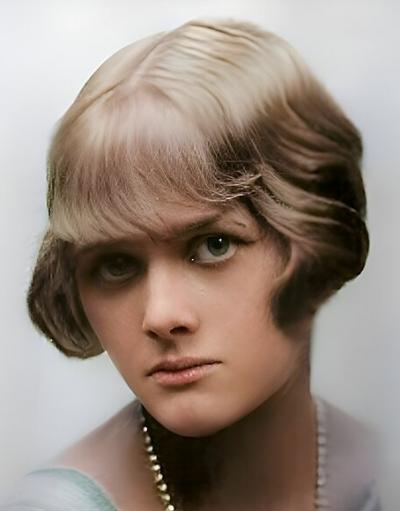
Daphne du Maurier c1925
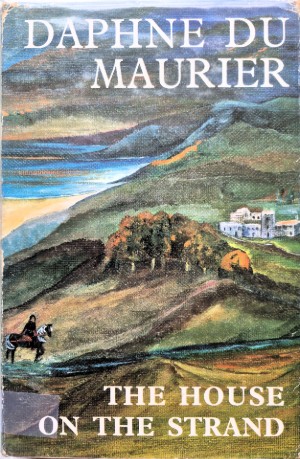
The House on the Strand, UK 1st edition, 1969
Jane Prince, a volunteer at the Morrab Library in Penzance, has written many excellent articles about Cornwall and its history, some of which can be found on the Arthur Quiller-Couch website (https://arthurquillercouch.com/studies), which is based at the Morrab Library and others on the Morrab Library website itself (https://morrablibrary.org.uk).
Today we want to tell you about Jane's most recent du Maurier-related article, The Fact and the Fiction in Daphne du Maurier's novel The House on the Strand.
In this article, Jane examines how Daphne du Maurier used factual material from Cornwall's history in her writing and also how she deviated from it for literary purposes. Daphne precedes her novel, The House on the Strand, by acknowledging the help she was given in her research by a list of local Cornish experts, but points out that the novel itself is a mixture of fact and fiction.
Jane thought it would be an interesting exercise to examine how closely Daphne followed Cornish history, where and how she manipulated the facts and events for literary purposes, and how far she was justified in shredding the reputations of various historical persons.
Jane's research is meticulous, and the article she has written is absolutely fascinating. To read it, please click here: https://morrablibrary.org.uk/blog/
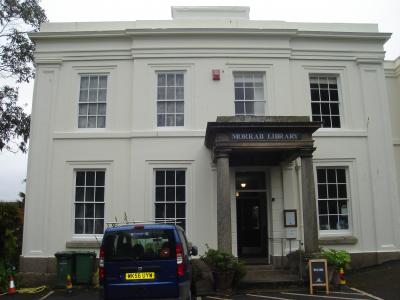
Morrab Library, Penzance
To recap on Jane's work that we have previously shared with you through the Daphne du Maurier website let me remind you that we first introduced Jane to you in August 2022 when she wrote a brilliant article entitled Edwardian Children to Modern Women: The Friendship of Foy Quiller-Couch, Daphne du Maurier, Clara Vyvyan and Oenone Rashleigh, which was full of interesting facts and provided us with a new insight into the lives and friendships of these four remarkable women. Here is our link to that article: https://www.dumaurier.org/menu_page.php?id=205.
In November 2022, we recommended two more of Jane's articles to you. Firstly, Women's Contribution to the Scientific and Intellectual Life of Penzance in the 18th and early 19th centuries. In this paper, Jane looks at some amazing women whose achievements would have been impressive in a later century but who are truly remarkable when set in their actual time frame. Daphne du Maurier had a lifelong interest in the Brontë family, whose mother, Maria Branwell, was born in Penzance, and this article includes many interesting references to Maria.
The second paper concerned Helene Hanff, a fascinating American writer (1916 – 1997) and is called Helene Hanff and Q's Legacy. In it, Jane examines the effect Sir Arthur Quiller-Couch's writing had on Helene's life and writing career. If you would like to read or reread these articles, our link to them is here: https://www.dumaurier.org/menu_page.php?id=208.
In March 2023, we told you about Jane's article about Sir Arthur Quiller-Couch, Daphne du Maurier and the novel Castle Dor, entitled Life, Legend and Landscape: the Autobiographical Sub-text and Historical Background to Castle Dor by Sir Arthur Quiller-Couch and Daphne du Maurier. As many of you will know, the novel was started by Sir Arthur and then put away until his daughter Foy discovered it after his death and later asked her dear friend Daphne to complete it. The novel retells the story of Tristan and Iseult, setting it in the Fowey area in the mid-19th century. Jane's article is an excellent piece of writing, thoroughly researched and full of information drawn from many sources that have never been brought together before. Our link to this article is here: https://www.dumaurier.org/menu_page.php?id=213.
Ann Willmore, August 2026.